Mental well-being in occupational health care
Read more
Six free tips from an occupational psychologist that everyone can apply.

Revised 11/20/2025
The challenges of the Finnish economy are inevitably reflected in the everyday life at workplaces. Many people are experiencing cooperation negotiations, increased workloads and constant rush, which means having to do things quickly and reactively. In such an atmosphere, the well-being of employees is put to the test.
It is often thought that, in difficult times, there is no money to invest in occupational well-being. But what if I told you that the most effective ways to increase well-being do not require money, but being present, having the right attitude and making small changes in everyday practices?
As an occupational psychologist, I see every day how small actions can bring about big, positive changes. Here are six tips that everyone can apply in their own workplace - whether you are a supervisor or a team member.
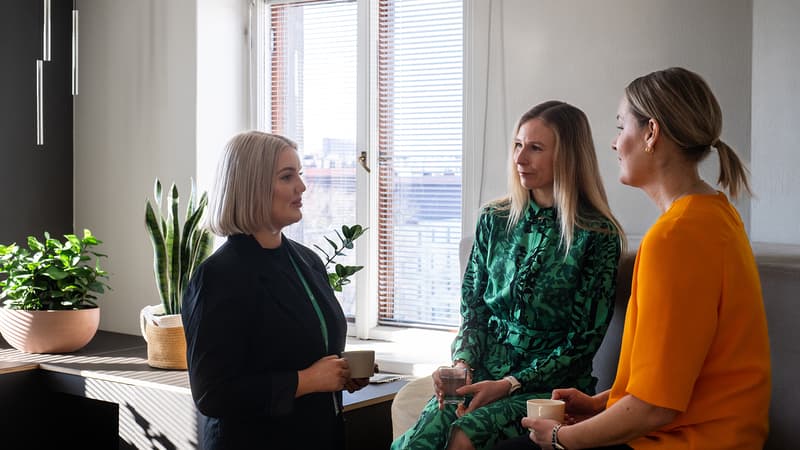
How often do you really stop to listen to what your colleague has to say, without rushing or feeling the need to defend yourself? The mere experience of being heard has been shown to reduce stress and make one feel better. Reserve time in your calendar regularly for discussions or ask a colleague about how they are actually feeling during a coffee break. Genuine listening builds trust, which is the cornerstone of a functional work community.
We all want to be appreciated. Giving positive feedback is completely free, but it can have a huge impact. Praise a colleague for a job well done or thank them for their competence. A lack of appreciation is one of the most common causes of burnout. Let’s highlight the good things!
You don't have to collapse under an increased workload. Often, simply listing the tasks and discussing their order of priority helps to manage a workload. The supervisor’s support is particularly valuable here. A simple statement, such as "It’s not urgent, you can do it next week", can take a heavy load off an employee's shoulders and prevent exhaustion.
When stressed and in a hurry, we tend to talk irritably or behave thoughtlessly. However, we are all responsible for how we talk to each other. Good manners and friendliness create safety and predictability. And if you notice that you have behaved inappropriately, remember the power of an apology.
The feeling of being able to influence one's own work and work environment is a significant source of well-being. By involving the personnel in, for example, the development of work processes or the creation of company rules, you can engage your employees and show that you trust them. This is particularly important during changes that directly affect the day-to-day work of employees.
Not taking your breaks when you are in a rush is a common pitfall. It may help temporarily, but, in the long term, skipping breaks only deepens the spiral of exhaustion. Encourage yourself and others to take the agreed lunch and coffee breaks. Microbreaks of a couple of minutes and short exercise breaks also help the brain to recover and maintain alertness.
When a workplace invests in well-being, it will directly help its bottom line.
And the best thing is: it's simply more pleasant to come to work. And it costs nothing.
This blog post was written by occupational psychologist and instructor Panu Aalto.