Hakeudu lääkäriin julkiseen terveydenhuoltoon, kuten terveysasemalle, opiskelijaterveydenhuoltoon tai työterveyshuoltoon. Voit keskustella lääkärin kanssa omista kuntoutukseesi liittyvistä toiveistasi ja tavoitteistasi sekä siitä, miten ne sisällytettäisiin arkeesi. Keskustelun pohjalta lääkäri tekee kuntoutussuunnitelman kuntoutustarpeestasi.
Ennen kuntoutushakemuksen lähettämistä on valittava terapian antaja ja sovittava terapian aloituksesta. Ota yhteyttä toimipisteen vastaavaan tai soittamalla kuntoutusneuvontaan 010 414 0910 (local network rate/mobile charge). Selvitämme yhdessä sinulle sopivan terapian antajan ja terapian toteutuspaikan.
Kun terapian aloittamisesta on sovittu terapian antajan kanssa, voit lisätä hakemukseen terapian antajan tiedot. Täytä ja lataa tästä Kelan vaativa lääkinnällisen kuntoutuksen KU 104 -lomake (pdf Kela.fi) External link.
Lähetä lomake ja kuntoutussuunnitelma Kelalle joko OmaKelassa tai postitse. Katso tarkemmat ohjeet, miten lähetät lomakkeen ja kuntoutussuunnitelman Kelalle (Kela.fi) External link.
Saat päätöksen kirjallisena postitse kotiisi. Kela lähettää päätöksen tiedoksi myös meille Mehiläiseen, jolloin se toimii samalla maksusitoumuksena ja paikkavarauksena. Olemme sinuun yhteydessä 2 viikon kuluessa aloituskäyntiin tai mahdolliseen tutustumiskäyntiin liittyen.
A speech therapist is a specialist in speech, language development, and communication. In clinical practice or everyday environments, the speech therapist assesses the client’s situation and plans rehabilitation that supports daily life, interaction, and individual goals across various life situations.
Speech and language comprehension disorders can be congenital or result from an injury or illness. The methods and approaches used in speech therapy are always selected according to the client’s individual needs and life situation.
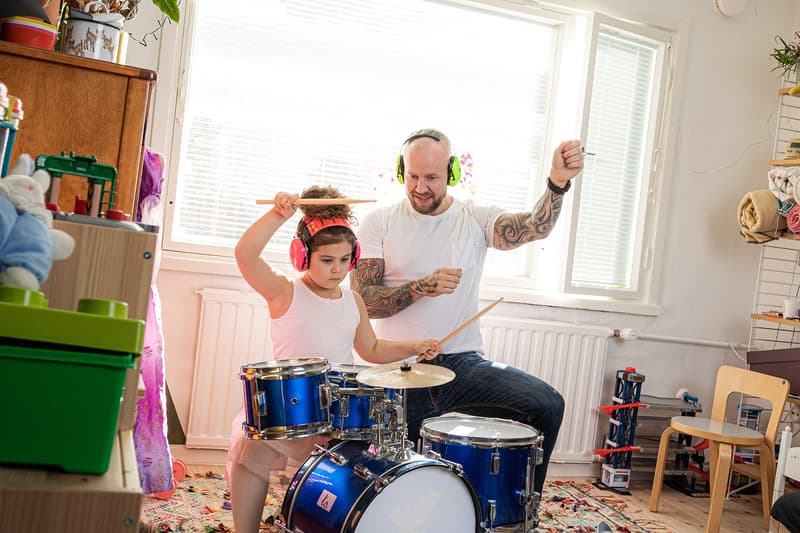
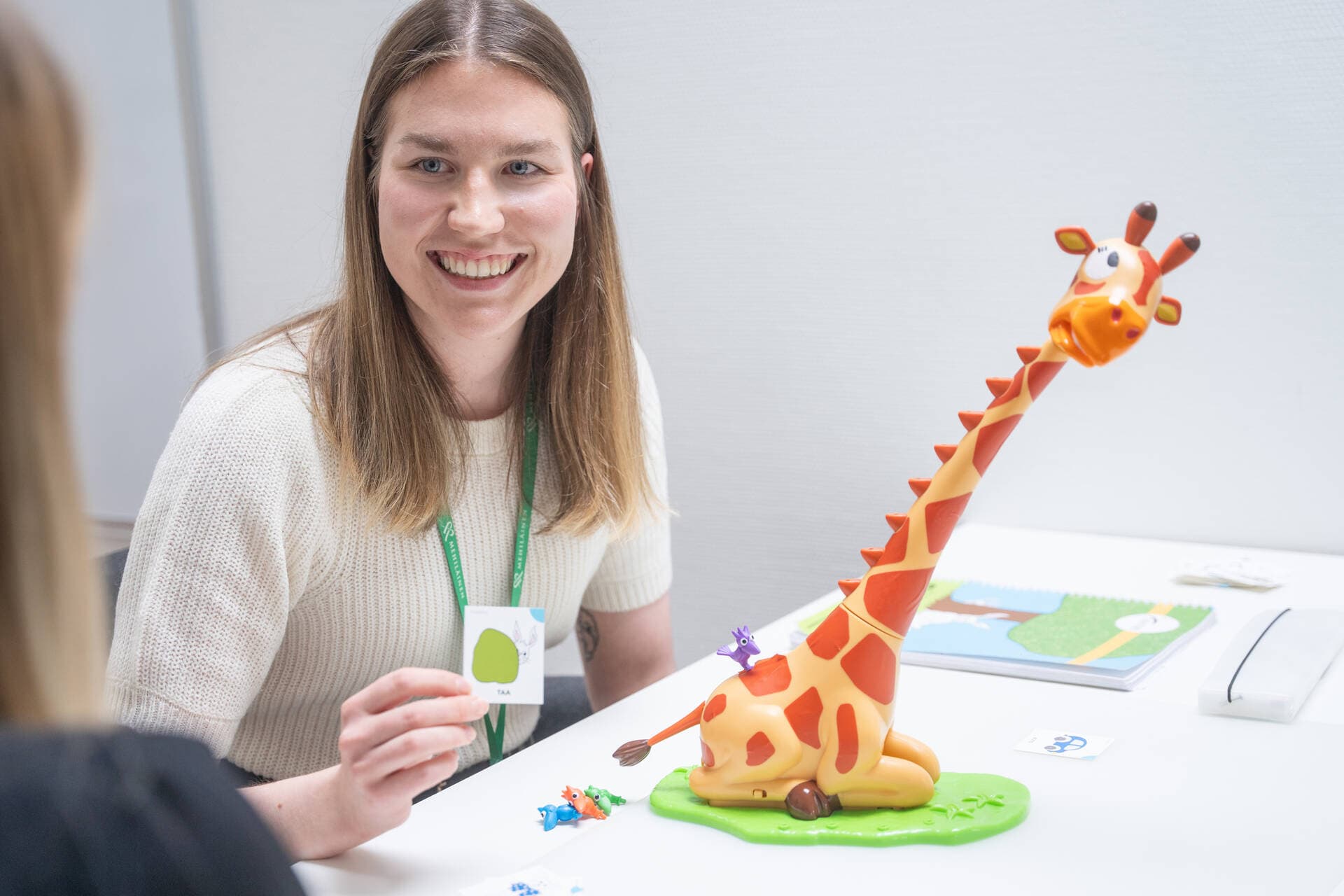
In children's speech therapy, exercises are carried out through various games, play, and everyday activities. The aim is to support the development of the child's communication and interaction in daily situations.
Speech therapy can take place at the practice, in the client’s everyday environment, or remotely, and it may be provided individually or in a group setting.
Speech therapy is suitable for children, young people, and adults of all ages whose speech, language development, communication, interaction, or voice use skills need support. Speech therapy may be beneficial, for example, when you or a loved one has:
The speech therapist tailors speech therapy to meet your or your loved one’s needs, goals, resources, and life situation. Speech therapy may be provided over a shorter or longer period, and the frequency of sessions varies individually.
Together with the speech therapist, you will agree on the goals of the rehabilitation, the frequency of appointments, and where and how the speech therapy will be carried out. Speech therapy can take place, for example, at the practice, in the client’s everyday environment, or remotely.
In speech therapy, skills related to speech, language development, communication, interaction, and voice use are strengthened according to individual goals. Therapy includes functional, everyday-oriented exercises that support the use of these skills in daily situations.
The speech therapist provides guidance on how exercises and supportive strategies can be continued between therapy sessions. Involving the client’s immediate environment helps support the achievement of goals in everyday life.
The progress of rehabilitation and the achievement of goals are monitored regularly. Speech therapy and its goals are adjusted as needed at different stages of the rehabilitation process.
Speech therapy can be sought with a payment commitment or at one's own expense.
Speech therapy can be accessed with a payment commitment from Kela, the wellbeing services county, the hospital district, or the municipality. For clients coming with a payment commitment, speech therapy is based on a rehabilitation plan.
It is also possible to seek speech therapy at one's own expense without a referral. In this case, the speech therapist assesses the need for rehabilitation and suitable progress together with the client.
If necessary, our customer service will help in finding the right service and with questions related to appointment booking.
Speech therapy is a form of therapy that focuses on improving and supporting speech, language, and communication. It can include various exercises and methods, such as articulation practice, supporting language comprehension and production, and developing communication skills.
A speech therapist is a healthcare professional who has completed a higher university degree in logopedics and is registered as a healthcare professional approved by Valvira. Their special expertise focuses on the assessment, treatment, and rehabilitation of speech, language, and communication disorders.
A speech therapist helps and supports individuals who have speech, language, or communication disorders. They work in clients' everyday environments, such as in homes, schools, or daycares, and collaborate with the client's close circle. The speech therapist's work includes assessment, planning, and rehabilitation, where various methods and exercises are used according to the client's needs.
In speech therapy, many different activities are done that support the development of speech and language. This can include various exercises and methods, such as articulation practice, improving speech fluency, developing eating and swallowing skills, voice use practice, and many other activities that help improve communication ability.
A person should seek speech therapy when they have difficulties in producing speech, understanding language, using their voice, or in other areas of communication that affect daily life activities. For example, if a child has a delay in speech or language development, or if an adult has experienced changes in speech as a result of a brain injury or neurological disease, speech therapy may be necessary.
Speech therapy can be sought at any age when a need is identified. For children, speech therapy may be necessary already in early childhood, while adults may need speech therapy, for example, after a brain injury, illness, or accident.
A child should be referred to speech therapy if abnormalities are observed in their speech or language development, such as a delay in using first words, difficulties understanding instructions, or if the child uses speech sparingly compared to their peers. Also, if the child has specific challenges, such as difficulties producing sounds or stuttering, speech therapy is recommended.
Access to speech therapy often requires a doctor's referral or a rehabilitation plan that entitles one to a payment commitment from Kela or another public body. As a self-paying client, you can book an appointment directly with a speech therapist without referrals or plans. If necessary, our customer service will help in finding the right service and with questions related to appointment booking.
A speech impediment can be caused by many reasons, such as genetic factors, developmental disorders, neurological diseases, or injuries. The speech therapist individually assesses each client's situation and determines the most suitable rehabilitation methods.