Compass tools
Read more
Mehiläinen’s Wellbeing Radar is an algorithmic prediction model that predicts the probability of the need for work ability support measures based on the information recorded during occupational health visits where the tool is used. The goal of the operating model is to help patients maintain their health and work ability by predicting the possible need for work ability support and helping them find solutions on how to improve their work ability and health in cooperation with healthcare professionals before a significant decline in work ability.
The Wellbeing Radar enables occupational health care to respond to the need for support at an early stage and to provide targeted support in a timely manner in order to maintain the individual's work ability and health. As part of the operating model, the same coaching and treatment paths that are used in other occupational health activities can be recommended in addition to other forms of care.
To prevent decline in work ability, sickness-related absences and incapacity for work by offering targeted support in maintaining work ability at an early phase.
In the operating model based on the Wellbeing Radar, a predictive algorithm is one of the prompts used by the occupational health care service provider, and it indicates that support should be provided. The algorithm uses specific patient records of the occupational health care service provider to automatically predict the person’s likelihood to seek active support in maintaining work ability from occupational health care within the following year.
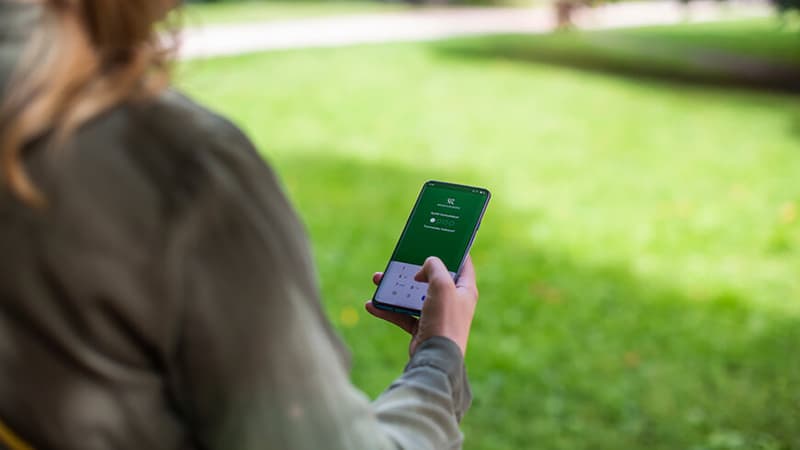
The Wellbeing Radar sends an electronic How are you questionnaire in the OmaMehiläinen service to the persons identified by the tool. The questionnaire includes questions about the person’s lifestyle, sleeping patterns, mental and physical functional capacity, health status, coping and their subjective need for support in maintaining work ability. Information about the Wellbeing Radar’s analyses and responses will be provided to the occupational health nurse only after the questionnaire has been taken. Taking the questionnaire is voluntary.
After receiving the answers to the How are you questionnaire, the occupational health nurse will review them, contact the respondents and assess the overall situation and the need for a meeting with each of them. The possible meeting will focus on a joint assessment of the issues and challenges raised by the person and identify motivation and resources to make changes that promote health or support work ability. The person is also able to set their own goals regarding the change, and the mode of support required to achieve these goals is agreed upon together. The support can be a digital treatment or coaching path or a path partly supported by a coach that motivates the person to look after their lifestyle, sleep patterns, recovery or their personal work ability. Other possibly required modes of support, treatment or additional examinations are also identified at the appointment.
If the person does not take the How are you questionnaire sent by the Wellbeing Radar, information about the analysis of the Wellbeing Radar is not stored in the patient record or passed on to occupational health professionals. This way, everyone can decide for yourself each time whether they want the analysis of the Wellbeing Radar to be utilised in their treatment. In such cases, the person can contact their personal occupational health nurse. Everyone also has the possibility to prohibit the use of the Wellbeing Radar at any time in the Occupational Health section of the OmaMehiläinen service. Here, information about the Wellbeing Radar and the possibility of placing a prohibition is displayed to customers whose employer's occupational health services include the Wellbeing Radar.
You can ask information on the Wellbeing Radar and the processing of personal data from your occupational health team, if necessary. More information about the processing of personal data at Mehiläinen can also be found at: https://www.mehilainen.fi/en/patient-and-customer-registers.
The designated Mehiläinen team and the corporate customer make an agreement about the use of the Wellbeing Radar and the range of support methods to be made available. Use of the Wellbeing Radar must be recorded in the company’s early support model and the occupational health care service provider’s action plan and processed with the personnel. The Wellbeing Radar is only used by the occupational health care service provider, and it does not provide the company with any data.