Payment methods in Mehiläinen
Read more

Revised 9/1/2026
Published 9/3/2026
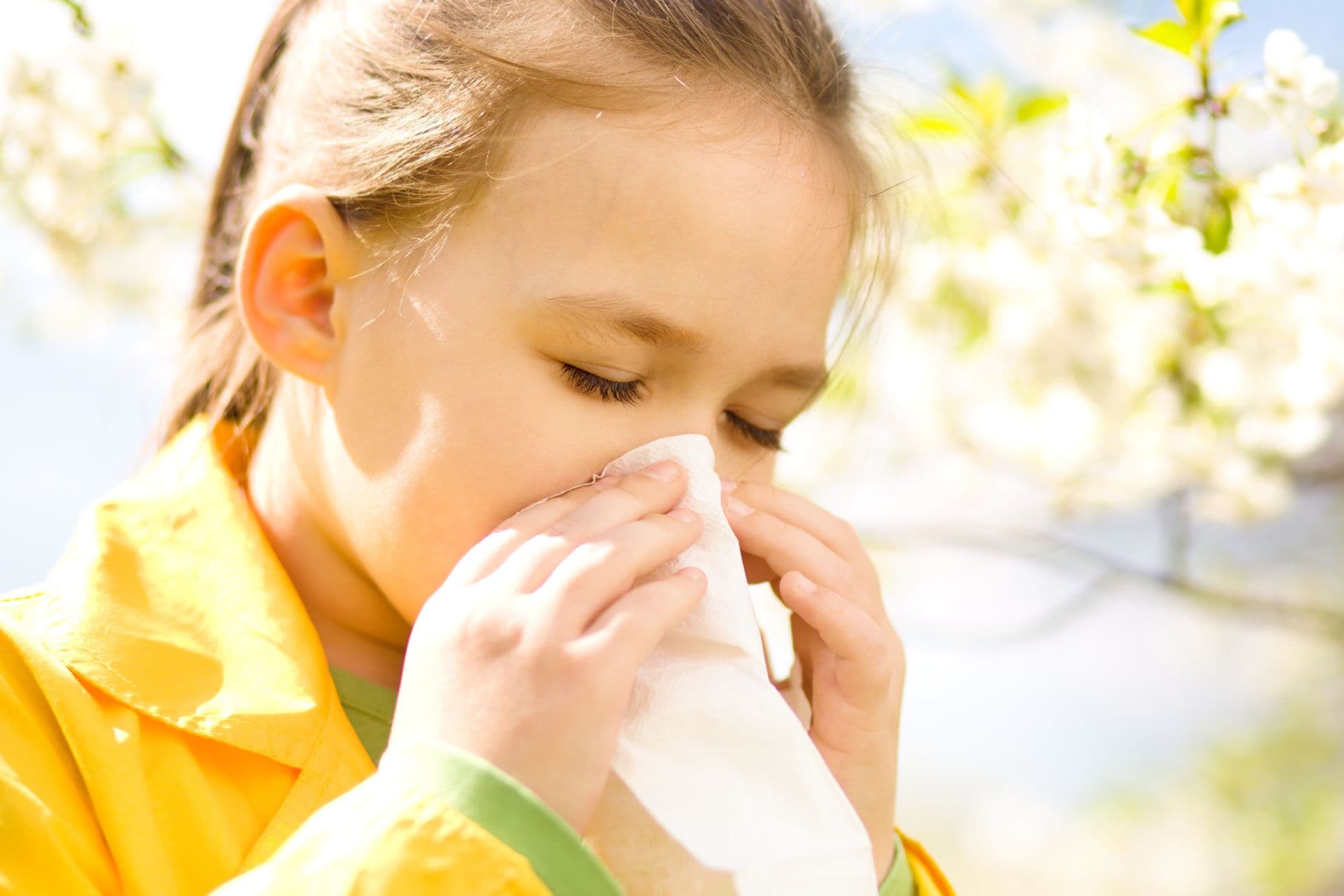
Pollen allergy is one of the most common allergies in children. Its onset is influenced by genetic predisposition and the environment. If one or both parents have allergies, the child's risk of developing a pollen allergy increases. Pollen allergy can surprise even a toddler, but most commonly it develops at school age.
Pollen allergy symptoms are individual and vary from child to child. They typically occur during the pollen season when the child is exposed to allergens released into the air. Symptoms can be mild or severe, and they can affect the child’s general well-being and ability to cope with daily life.
Typical symptoms include:
Left untreated, pollen allergy can reduce the child’s sleep quality and alertness. Allergy symptoms can affect a child's school performance when rhinitis and itching disrupt concentration. In addition, social life can be limited if the child has to avoid spending time outdoors or playing with friends due to pollen. Prolonged symptoms can also predispose the child to ear and sinus infections.
It is important to see a physician if a child's pollen allergy symptoms are severe or prolonged. You should see a doctor especially in the following situations:
You can also contact a specialist at the Digital Clinic around the clock or take advantage of the free Digital child health clinic for children under 5 years old.
Diagnosing a pollen allergy always begins with reviewing the child's symptoms and medical history. The physician will discuss the child's symptoms, the time of their onset, and possible exposures with the parents.
Allergy examinations can be carried out to support the diagnosis, if necessary. Currently, the primary examination is a blood test to determine allergen-specific IgE antibodies. If necessary, a skin prick test can also be performed to examine the skin's reaction to a small amount of allergen. The examinations help determine which pollen is causing the child's symptoms and allow planning the most suitable treatment for the child.
The treatment of pollen allergy is based on relieving symptoms and avoiding pollen. The goal is to improve the child’s quality of life during the pollen season. Treatment options include:
A child’s pollen allergy symptoms can be prevented and relieved in many ways:
Pollen allergy may also be associated with cross-allergies. In such cases, certain foods may cause symptoms. For example, a person allergic to birch may react to apples, pears, or hazelnuts. In connection with mugwort allergy, symptoms can be caused by celery or spices, whereas someone allergic to grass may get symptoms from melon or tomato. Avoiding these foods during the pollen season can help relieve the child’s symptoms.
Desensitisation for a child
Desensitisation offers an effective and long-term solution for a child's allergy symptoms.
Allergy tests
The test can be used to determine whether the symptoms are caused by an allergy.
Children's allergist
Expert help for examining and treating childhood allergies and asthma.
Pollen allergy can develop in a child as early as two years of age, but most commonly it starts at school age. The risk is higher if the parents have allergies or the child has had atopic eczema in infancy.
It can be difficult to distinguish between pollen allergy and the common cold. Itching of the eyes and nose, prolonged symptoms during the pollen season, and worsening of symptoms after being outdoors may indicate an allergy. The common cold is often accompanied by fever and a sore throat.
Yes, pollen allergy can cause fatigue and general weariness. This is often due to poor sleep quality and the body's reaction to the allergy. Fatigue can affect the child's mood and cause irritability.
Yes, an antihistamine can be given to a child to relieve symptoms of pollen allergy. Antihistamines are available as tablets, nasal sprays, and eye drops. It is important to follow the dosage instructions and, if necessary, ask for advice from a pharmacy or a physician.
In cross-allergy, a person with a pollen allergy can also experience symptoms from certain foods. If the symptoms are severe or disruptive, it is advisable to avoid these foods, especially during the pollen season. Consult a physician if the symptoms are troublesome or if you need more specific instructions.