

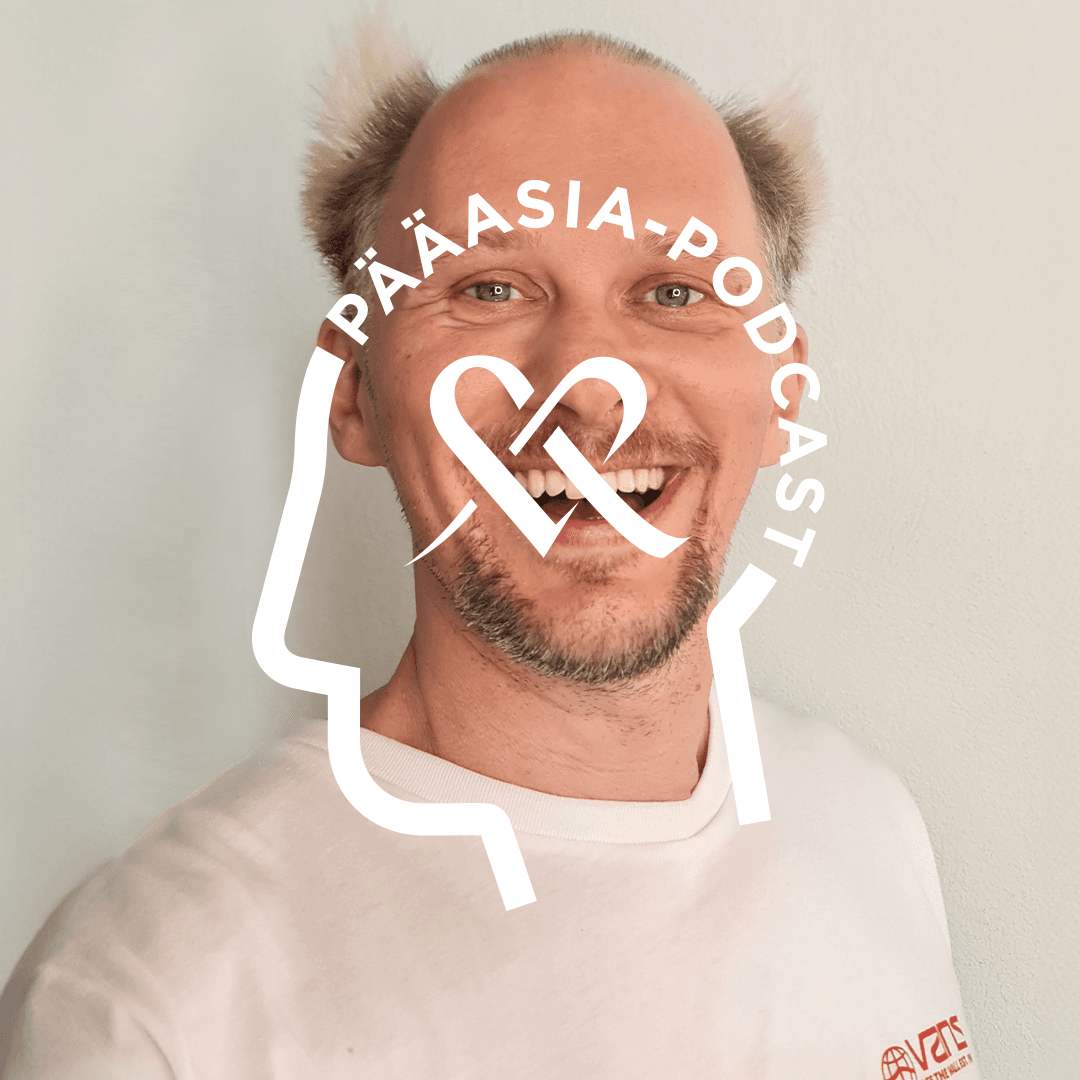



Klaus Kuhanen was fired a year ago and is still processing the situation
In the Mehiläinen Pääasia podcast about working life, we discuss phenomena related to working life with our specialists and company guests. We will have open discussions about leadership and supervisory work as well as changes in working life. In this episode, occupational psychologist Kimmo Haapanen’s guest is freelance writer Klaus Kuhanen. The episode discusses getting fired. What kinds of emotions does being fired from a job evoke? And how should feelings of failure and shame be approached?
Klaus Kuhanen’s last job was that of CEO. After more than twenty years as a CEO, Kuhanen was fired from his job.
“In my opinion, the CEO should always be aware of the fact that they may lose their job,” Kuhanen says.
“My firing was preceded by a period of some months, during which it started to become clear that the business was not going as it should. The feeling that I’m going to get fired became more concrete than ever before.”
A year ago, Kuhanen met with his supervisor, who told him that he was going to be fired. Since then, he has written about being fired in his Potkut.com blog. On the day he was fired, he experienced a variety of emotions. He was nervous about the meeting with his supervisor, but after the firing discussion, his body and mind calmed down.
“I think it depends on your personality. I have noticed before in my life that in such a unique situation, my first reaction is to feel calm. Stronger reactions usually come a little later, after a few days.”
Before being fired, Klaus Kuhanen had managed to build a career spanning more than 40 years, which had included many challenging situations. This kind of work experience also helped him treat being fired as something that will eventually be overcome.
Being fired is a special type of life crisis
Challenging life situations, and even unpleasant surprises, are part of life. After he was fired, Klaus Kuhanen noticed that he had previously done very little to process life events that evoke difficult emotions. He used to try and not think about losses or disappointments, and tried to move forward too quickly.
However, at the time he was fired, he had the space and resources to deal with the thoughts he was having about it. Now, a year later, the process seems to be still going on.
“It feels like this work is still going on. I don’t know how much longer it will take.”
A firing is also a sudden change for other members of the work community. Kuhanen explains how the different personalities in his work community came to light when it was announced at a joint meeting that the company was firing him. For some, the news didn’t seem to mean anything, while others even started to cry.
Distressed co-workers had a great need to talk to the fired CEO.
“For one reason or another, I chose the role of a person who consoles others. They did not come to console me. On the contrary, I consoled people and assured them that life would go on,” Kuhanen says.
It was easy for Kuhanen to tell his family that he had been fired, because Kuhanen was used to sharing not only his joys but also his sorrows with his family. Surprisingly, Kuhanen’s eldest child congratulated his father on being fired. Kuhanen says that he did not at first understand why he was being congratulated, but has later realised that being fired was also a lucky push in a new direction.
“I felt that it was important to tell my family and friends at a rather early stage. I thought that the more openly and quickly I tell them about it, the less I would bottle up the issue. Being fired can be traumatic, so I definitely didn’t want to get stuck on it.”
You job can gradually become your identity
Distress, shame, identity crisis and a sense of failure. Such emotions began to fill Klaus Kuhanen’s mind a few days after he was fired. Although Kuhanen was usually talkative and had already been able to talk about being fired with some of his friends, strong emotions would sometimes take over and the words would get stuck in his throat.
The closer the relationship you have with your work, the more you will be affected by adversity at work. Employees for whom working is important in many ways often end up as managers.
“I was one of those people that identifies with their work 110%. I felt that my work was also my favourite hobby.”
For example, Klaus Kuhanen often introduced himself to new people through his work. Now, however, Kuhanen has begun to question whether work was actually the most important thing to him. He has started to see many other aspects and traits in himself besides being a good CEO.
Klaus Kuhanen has written and spoken publicly about being fired, which has resulted in opportunities to discuss the topic with the other people who have also been fired. These encounters have led Kuhanen to wonder why so many people take being fired very personally. After all, it happens to many people during their careers.
“Being fired is a normal, essential part of working life. If you find it a very tough experience – like I did – perhaps you should try to actively process what happened.”
The firing of a CEO is always associated with failure. Failing to succeed in a job that is important to you can give rise to a strong feeling of shame. However, Kuhanen would like to remind listeners that no one goes through life without failing at something. As with other failures, the only option after being fired is to deal with the issue and move on.
Being fired can even cause depression
After being fired, Klaus Kuhanen decided that he would process the emotions evoked by his firing properly. He began to write about his experiences and published a new post on the topic in his blog every week for the first six months.
“I’m the kind of person that can think about things endlessly. But the world only starts to become more concrete when I write down my thoughts.”
When recovering from being fired, you may not move on from disappointment and fears to something better is a straightforward way. It is common for painful emotions to return after better periods, and you may need to deal with these emotions many times. Kuhanen says he was horrified when he searched for information and discovered that being fired can even cause depression.
“I thought that I am certainly not going to get depressed over such a thing. But then I noticed that I also had some of the symptoms, which surprised both me and the people close to me. I have never had such dark thoughts before. But we all have them.”
Processing his dark thoughts taught Kuhanen his fear of depression had been unnecessary. He could deal with his difficult emotions, and they were eventually replaced by familiar, more positive emotions.
In difficult times, social networks can support those who have been fired. Kuhanen noticed that the coffee meetings and lunch dates, which had been part of his everyday work, did not end when he lost his job. He says that invitations from friends and acquaintances to go for coffee have been a great gesture that has given him tremendous support and joy.
The bright side
Processing the emotions that were stirred up when he was fired has taken Klaus Kuhanen a year, and he still doesn’t feel like he has fully moved on. He still thinks about his firing.
This autumn, Kuhanen became eligible for retirement and he seized the opportunity. Like getting fired, retirement also feels like giving something up.
“I define my life one day at a time and think about what it really means to be retired.”
Right now, Kuhanen does not miss working. This new feeling has also been confusing, as he thought for a long time that his work was one of the most important things in his life. He felt that he was at his best when he was working. Now the time has come to look for himself and his other strengths.
“If I had not been fired, I would have kept working for many more years. And now all of a sudden I’m in a situation where I don’t miss working at all. Quite the opposite. My head says you have 40 years of work experience, use it, but my heart says something completely different.”